During the past two years, much of my time and energy has been concentrated on library planning related to the potential renovation of buildings and to the Libraries’ transition to an increasingly digital world. As this planning goes forward with determining which programs are important to place in a central library facility, this is a good time to reflect on what I believe is the primary purpose of the Libraries. This purpose—enhancing learning, teaching, and research—is best accomplished through our work with faculty. The importance of partnerships and Start of pull quote: (skip pull quote) Last year, librarians and other staff taught more than 280 classes that included over 3,680 persons from all seven institutions. End of pull quote. collaboration is clearly stated in our Mission and reiterated in a primary goal of the Library Planning Task Force, i.e., to facilitate learning and collaboration among faculty and between faculty and librarians across the consortium.
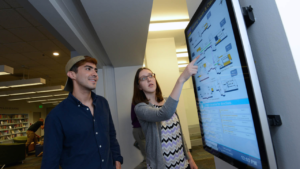
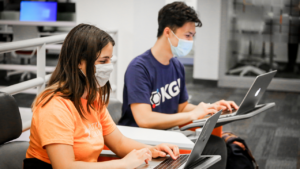
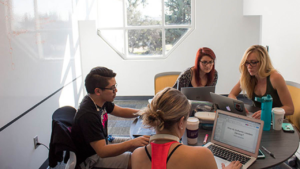
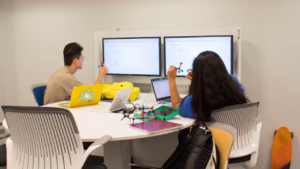
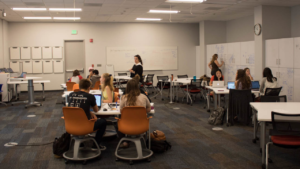
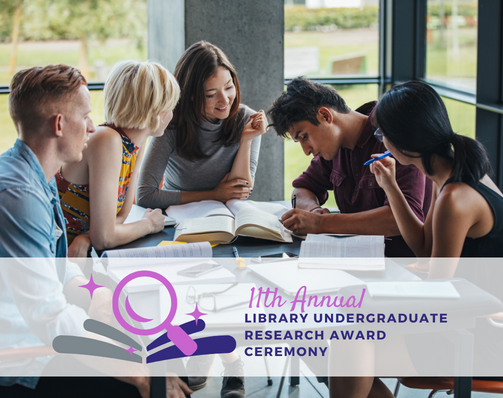
One of the most important ways that the Libraries contribute to student learning is through our instructional program. Last year, librarians and other staff taught more than 280 classes that included over 3,680 persons from all seven institutions. The greatest number of classes was taught for the undergraduate colleges where librarians have worked hard at developing relationships with faculty teaching first-year seminar or core courses, but subject specialists are equally at ease teaching upper division and graduate classes. These classes often lead to individual or small group research consultations on library resources, services, and the research process; and librarians reported more than 400 of these appointments for last academic year. Both of these instructional activities are experiencing growth. In Fall 2007, librarians and staff taught more than 200 classes and conducted more than 600 research consultations.
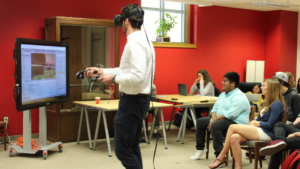
While we have state-of-the art classrooms in the library for class sessions taught or co-taught by librarians, librarians are similarly active in teaching Start of pull quote: (skip pull quote) In Fall 2007, librarians and staff taught more than 200 classes and conducted more than 600 research consultations. End of pull quote. on the campuses. After all, many library resources are no longer bound by physical buildings. Most digital resources, for example, can be accessed from any location with an internet connection and can often be linked through your Sakai course site. Many faculty members have also added librarians to their Sakai course sites as resources for students.
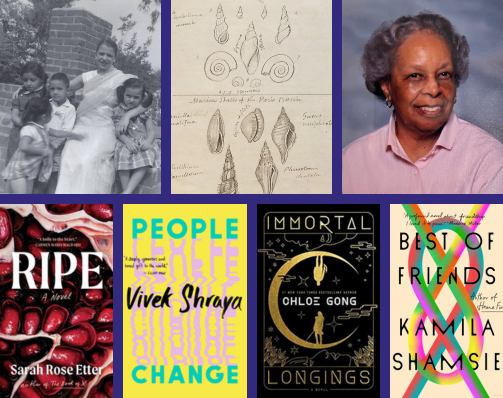
At the same time, within our buildings, librarians in Special Collections and Denison work with increasing numbers of faculty interested in having their students undertake fresh approaches to the study of primary materials in diverse areas ranging from 16th and 17th century science and Shakespeare to 20th century propaganda and food culture. Students uncover evidence in traditionally rich collections such as 18th century British literature, 19th century French fashion, and contemporary book arts. In a related use of a primary resource, students are developing an understanding of the history of scholarship by printing on a Columbian hand press housed in Special Collections. Selections from many of these collections as well as collections from across the colleges are being digitized for the Claremont Colleges Digital Library (CCDL). These physical and digital collections provide a cornucopia of primary source materials for study and research.
An exciting new development in faculty and librarian collaboration is the workshops hosted by the Libraries. More than twenty faculty members and an equal number of librarians spent a morning in one of three workshops focused on developing course goals, understanding learning objectives, and assessing student learning. These principles were then put into practice with each faculty/librarian team designing or redesigning existing research assignments for classes being taught during the 2007–2008 academic year.
I hope that you will embrace opportunities to work with librarians and staff whether through class-specific library instruction, adding a librarian to your Sakai course sites, exploring special collections, or collaborating in other ways. John McDonald, our Assistant Director for User Services and Technology Innovation, Gale Burrow, our Coordinator of Instruction, any of our other librarian/subject specialists, and I will be delighted to talk with you about your and your students’ needs.